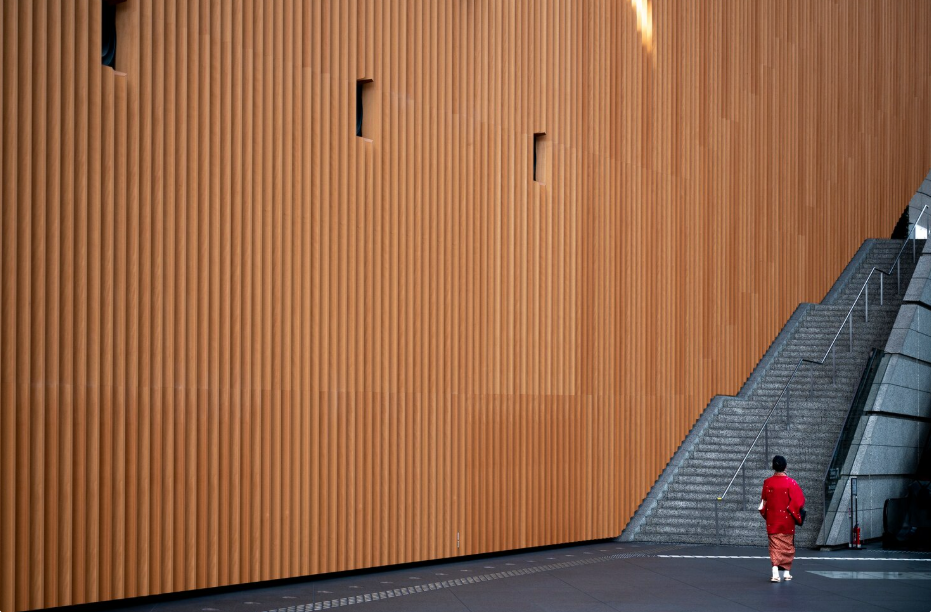
From being a conventional decorative element, wall paneling has evolved into a crucial component of contemporary home design. Beyond aesthetics, natural wood wall paneling offers designers and homeowners a way to enhance both the visual appeal and functional quality of a space. By adding depth, texture, and architectural character, natural wood wall paneling enriches interiors and creates environments that feel thoughtfully designed, refined, and inviting.
Converting Walls into Design Elements
Walls are now active interior elements rather than merely neutral backgrounds in modern dwellings. Wall paneling gives spaces structure and visual interest by transforming plain walls into design statements. Paneling provides layers that catch light and generate shadows, giving interiors a dynamic and captivating sense, whether through delicate vertical lines, striking horizontal patterns, or textured finishes.
Boosting Perceived Value of a Property
High-end wall treatments, including paneling, give homes a polished, well-kept appearance. Attention to detail is noticed by potential purchasers, which can increase perceived worth. Paneling communicates longevity and skill, indicating that the property is well-maintained and carefully planned. First impressions are crucial in living rooms, dining rooms, and entryways, where this influence is more noticeable.
Key Benefits That Improve Appeal and Finish
The following aesthetic and functional benefits of wall paneling add to the overall appeal of a property:
- enhances visual richness by giving flat surfaces depth and texture.
- identifies zones in open-plan spaces or draws attention to architectural elements
- shields walls against mild impacts, damage, and scratches.
- provides a durable finish that keeps its elegance over time.
Because of these characteristics, paneling is an investment in longevity and style.
Developing Interest in Architecture
Without altering the structure, paneling adds a subtle architectural feature. Horizontal designs provide the impression that spaces are bigger, while vertical panels can make ceilings appear taller. Shadows that change during the day are produced by fluted or grooved forms, which give depth and refinement. These aesthetic improvements have the power to elevate even unremarkable settings into ones that seem carefully chosen and custom-designed.
Adaptability to Different Interior Designs
Wall paneling is incredibly adaptable and can go well with many different design styles. It accentuates classical craftsmanship and detailing in dwellings. Sleek panels provide warmth and texture without overpowering clean lines in modern or minimalist interior design. Natural wood treatments and neutral colors help properties retain their timeless appeal by bridging the gap between classic and modern design.
Improving Ambience and Comfort
By making areas feel cozier and more welcoming, paneling enhances the ambiance of a house. It creates a sense of depth and richness by introducing tactile texture that interacts with both artificial and natural light. Paneling may create cozy, peaceful places in living rooms and bedrooms. It maintains a sleek, businesslike appearance while adding structure to areas used for work or enjoyment.
Sturdiness and Extended Maintenance
Wall paneling is long-lasting and requires little upkeep, in contrast to painted walls, which can deteriorate quickly. High-quality materials ensure that interiors stay aesthetically pleasing over time by resisting fading, dents, and scratches. This lifespan lessens the need for regular repairs or remodeling while also preserving the property's aesthetic appeal.
Feature Walls to Increase Impact
Paneling feature walls, which serve as focal points in a space, is becoming more and more popular. Behind a dining area, bed, or sofa, a paneled accent draws attention and enhances the entire decor. These feature walls enhance the property's perceived sophistication while adding visual intrigue by fusing form and function.
Conclusion
Wall paneling combines aesthetics, practicality, and long-term value to improve the finish and attractiveness of a house. It adds architectural appeal, turns simple walls into design features, and fosters a feeling of unity among areas. Wall paneling is an effective tool for both homeowners and designers because of its versatility, durability, and ability to enhance both classic and modern interiors. It helps houses look polished, welcoming, and well-finished while enduring over time.