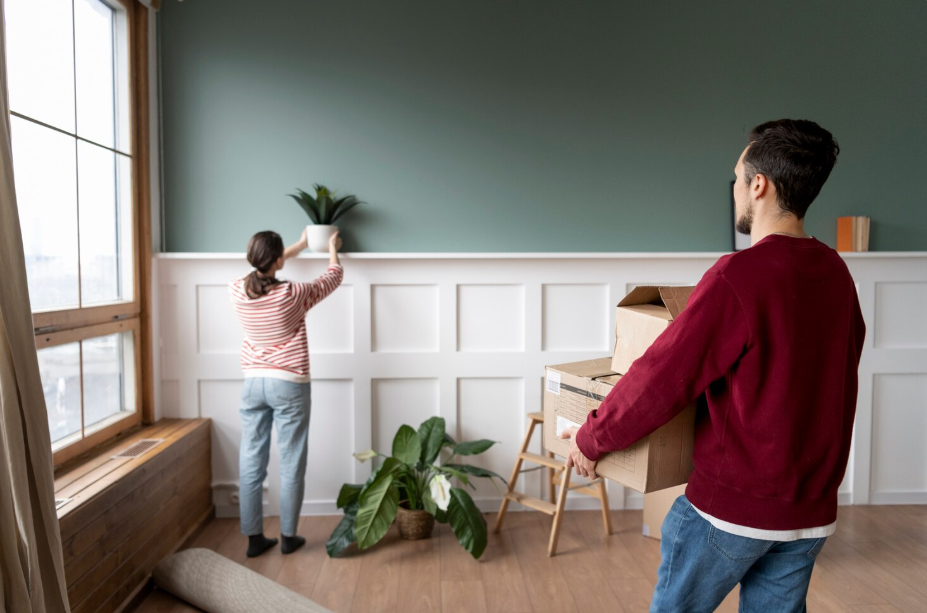
By providing warmth, texture, and architectural character, wall paneling is a potent method to improve interior spaces. It can, however, overpower a space or conflict with the overall design if used carelessly. To get the desired impact, homeowners must carefully consider placement, material, and balance. Recognizing typical errors ensures that paneling improves rather than diminishes a room.
Overuse of Paneling
One of the most frequent mistakes is covering every wall in a room with paneling. While full-wall paneling can create a luxurious feel in large spaces, overdoing it in smaller areas can make rooms feel enclosed and heavy. Instead, homeowners should consider accent walls or partial paneling to add visual interest without dominating the entire space.
Ignoring Scale and Proportion
Paneling must match the scale of the room and the height of the ceilings. Oversized panels in small rooms can look disproportionate, while tiny panels in large spaces can feel cluttered. Choosing the correct size and layout ensures the paneling complements the room’s dimensions and furniture arrangement, creating a balanced and harmonious environment.
Clashing Styles
Mixing paneling with incompatible décor styles is another common error. Traditional wood paneling with ornate detailing may clash with a modern minimalist aesthetic, while sleek, linear panels may feel out of place in a classic home. Homeowners should select a paneling style that aligns with the room’s overall design language to maintain cohesion.
Overlooking Lighting Effects
Wall paneling interacts with natural and artificial light, creating shadows and highlights. Ignoring lighting can result in unintended visual effects. For example, dark wood in a dimly lit room can make the space feel smaller, while highly reflective finishes can create glare. It’s essential to consider both natural light sources and the placement of artificial lighting when choosing paneling material and color.
Choosing the Wrong Finish
The finish of paneling greatly impacts its visual effect. Glossy or overly polished finishes can feel artificial or overpowering, while unfinished or raw wood may appear too rustic if not intentional. Selecting the right finish—matte, semi-gloss, or natural—ensures that the paneling enhances the room’s atmosphere and complements existing materials.
Neglecting Wall Protection and Maintenance
Some homeowners underestimate the maintenance needs of certain wood paneling types. Softwoods or unfinished panels can be prone to dents, scratches, or water damage. Proper sealing and regular care are necessary to maintain appearance and longevity. Ignoring this can lead to early wear, diminishing both aesthetics and value.
Inconsistent Application
Using different paneling styles or finishes within a single space without a clear design plan can create visual chaos. Consistency in material, layout, and color ensures that the paneling integrates seamlessly with the room. Homeowners should create a design concept and stick to it to avoid mismatched or disjointed appearances.
Failing to Complement Furniture and Décor
Wall paneling should enhance, not compete with, furniture and decorative elements. Dark, intricate panels paired with heavy furniture can make a room feel overstuffed, while overly subtle panels may get lost behind large décor items. Careful coordination between paneling style and furnishings helps maintain balance and harmony.
Conclusion
Wall paneling can transform interiors, but avoiding these common mistakes is essential for achieving the desired effect. Homeowners should focus on proportion, style consistency, lighting, finishes, and maintenance to ensure paneling enhances rather than overwhelms. Thoughtful application creates spaces that are elegant, inviting, and timeless, allowing wall paneling to serve as a lasting feature in modern homes.